






A precautionary public health advisory was issued after press time this week after visible cyanobacteria, commonly called blue-green algae, were identified in parts of Kenney Reservoir. As of Wednesday, no cyanotoxins had been confirmed, according to the Rio Blanco Water Conservancy District.
According to the Colorado Department of Public Health and Environment, blue-green algae can form harmful blooms when they multiply rapidly in warm, slow-moving or stagnant water. The blooms become dangerous when the bacteria produce toxins.
The presence of toxins cannot be confirmed by sight alone. The district is currently conducting field and qualitative bench testing. District Manager Alden Vanden Brink said updates will be provided if cyanotoxin-specific laboratory sampling is initiated.
“While cyanobacteria have the potential to produce toxins, the presence of the algae alone does not guarantee toxins are active,” Vanden Brink said.
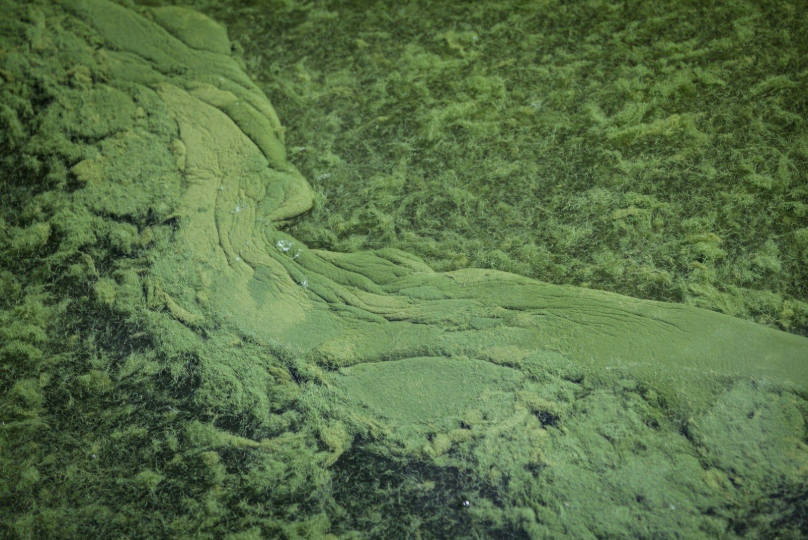
According to CDPHE, toxic algae may resemble pea soup or spilled paint or form a thick mat of foam along the shoreline. Blooms are not always blue-green and may also appear red or gold.
Exposure can cause skin irritation, gastrointestinal illness, headache, sore throat and muscle or joint pain. In some cases, toxins can affect the liver or neurological system.
Pets are especially vulnerable because they are more likely to drink affected water or lick algae from their fur and paws. Symptoms can include vomiting, diarrhea, stumbling, seizures, disorientation or difficulty breathing. CDPHE advises keeping pets out of suspected bloom areas and rinsing them immediately with clean water after accidental exposure.
The advisory comes during a period of extremely low flows on the White River. County commissioners previously said emergency releases from Kenney Reservoir were helping maintain water availability past Rangely’s municipal water intake.

Vanden Brink said those emergency releases ended before the bloom appeared. “The Town of Rangely Water Treatment staff and conservancy district staff have visited about this,” he said. “We have no concerns regarding Rangely’s drinking water supply or downstream users.”
Reservoir operations remain normal, with district and Colorado Parks and Wildlife staff providing information to visitors and posting educational notices around recreation areas.
Public Health advises people to avoid swimming or wading in areas where visible algae or surface scum is present. Vanden Brink said boating remains permitted as long as visitors avoid active bloom areas, minimize direct contact with the water and keep pets out of the reservoir.
“We strongly advise visitors to follow the Rio Blanco County Public Health advisory: ‘When in doubt, stay out,’” he said.