
Rangely

Wildlife Journey to South Africa

Rangely wildlife photographer Steve Cochrane will share his experiences from a 2023 trip to South Africa at the Rangely Rec Center on June 21 from 5-7 p.m. STEVE COCHRANE PHOTO

RANGELY | Would you dare to meet the fauna of South Africa up close, admiring their beauty and behavior? Glimpsing their nurturing relationships and comical developments? The breathtaking photography of wildlife that Steve Cochrane produces might inspire you or at least leave you wanting to see more. 

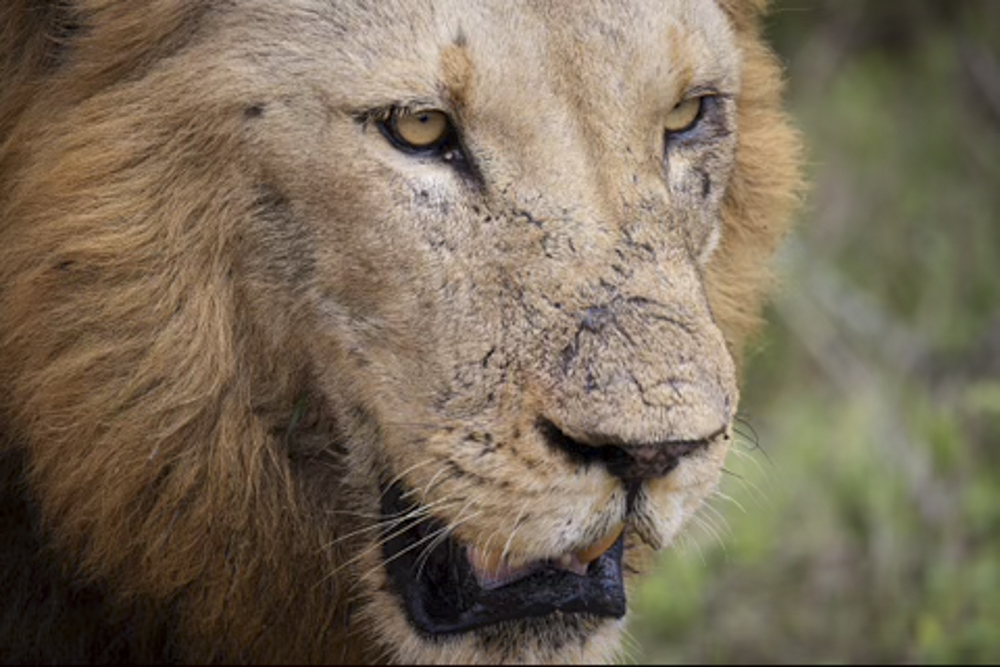
During October 2023, Cochrane, his wife Megan, and two other photography enthusiasts toured areas of South Africa including Kruger National Park and private game reserves, looking for images that captured the region’s fauna without disturbing their lives. Remarkable shots of baby leopards, battle-scarred lions, playful elephants, and cautious giraffes will be on display at his upcoming presentation, “Wildlife Journey to South Africa,” on June 21 from 5-7 p.m. at the Western Rio Blanco Metropolitan Recreation Center. Cochrane will display images of his adventures during the remainder of the weekend. Registration is free.

Cochrane described how uncomplicated a trip to South Africa for safari can be: “Depending on the type of traveler you are,” options on travel, lodging, and recreational activities are available based on price range and include options for companions who might not be interested in safari every day. Johannesburg is a major city similar to one you might find in America and hosts a strong tourism industry. Covid-19 hit the region very hard and they are still rebuilding. This makes travel costs cheaper and more personal experiences from friendly employees. The landscape is similar to Rangely and Craig except with fruit trees. Seasons in South Africa are opposite from those in Colorado. When the Cochranes left in October autumn, they landed in late spring—offering a spectacular experience with young fauna and migrating birds from Europe.

Safaris venture into the wild, where fauna display personalities and emotions as they live in their natural environment. Cochrane witnessed and captured leopards, including a mother and her young — the mother dragged an impala kill into a tree where her baby knocked it down. Baby elephants learn how to use their trunks or skipping them altogether, eat with their mouths instead. Waters are particularly dangerous, where snakes and crocodiles lurk awaiting a meal. Baboons have a watchdog method where one will cross and keep watch as others in the troop cross. Giraffes take turns on alert and drinking from watering holes. In national parks, animals are protected by military personnel, who are often assigned to a specific animal and spend their time following that animal to protect it from poachers. On private game reserves, you are able to get closer to animals for more personal photographs. 

The equipment required is not necessarily complicated or fancy. You should bring a camera, lenses, memory cards, and a laptop for backup. If your livelihood and dreams depend on the photographs you take, you might bring multiple memory storage devices. 

This is an experience that you will have to see and live to believe. Words don’t offer justice to the images that Steve Cochrane is preparing to present. Set your viewfinders on this presentation, June 21-23, 2024.

By KATIE FAYE KING | Special to the HT