

County

Commissioner candidate Q&A


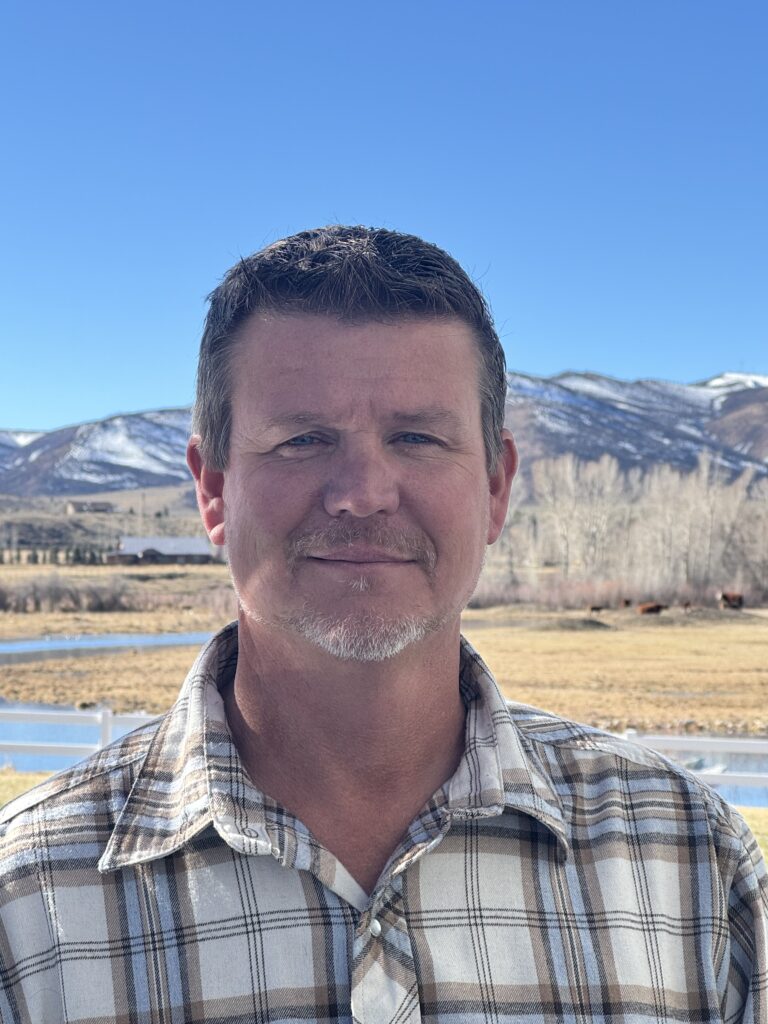
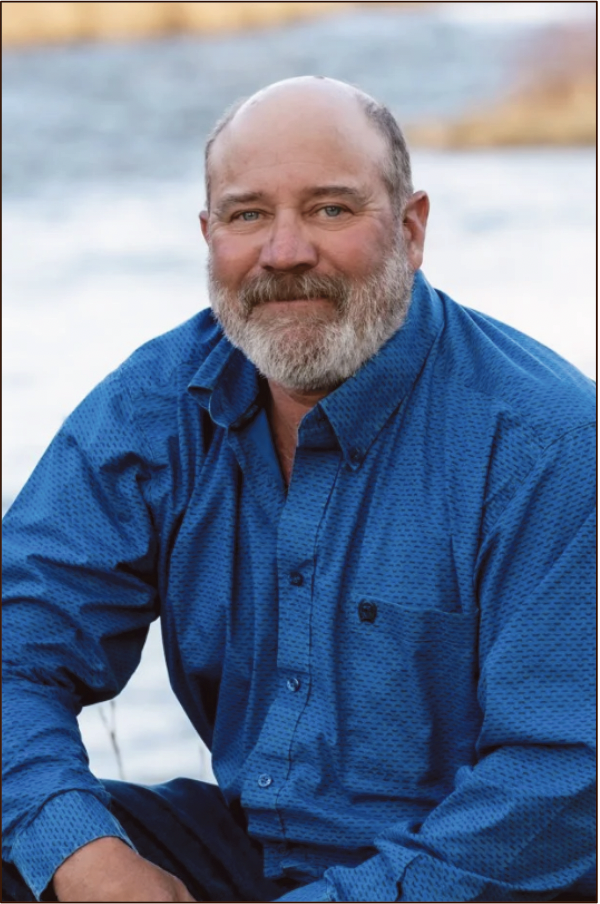
The HT asked the two Republican primary candidates for the open county commissioner seat Travis Day and Rich Ford, to submit responses to a list of questions. Those answers are below. The primary election is June 30, 2026. 
Q: Rio Blanco County is both a government entity and one of the county’s larger employers. How do you view county employees in the county’s mission? If elected, how would you approach staffing, recruitment, retention and compensation while remaining fiscally responsible? Where would you look for savings, and what services or positions should be protected?

Day: Employees are the foundation for achieving the county’s mission and serving our community effectively. If elected, my top priority will be employee retention — reducing constant recruiting and turnover by creating a workplace where people want to stay and build their careers.

Compensation must keep up with the cost of living. At a minimum, employees should receive an annual cost-of-living adjustment; otherwise, inflation effectively becomes a pay cut. I also believe raises should be based on the average wage of all employees rather than individual percentage increases, a system that has worked well for the town of Meeker and sanitation district.

We must also continue looking for ways to save taxpayer dollars by partnering with other entities to provide joint services whenever possible. For example, working together on services like the building department can improve efficiency and reduce unnecessary administrative growth. It is easy for government to become top-heavy, and we must remain focused on practical, effective operations.

Most importantly, we must protect the essential services that residents rely on every day. Basic county services should always remain the priority.

Ford: County employees are essential to the execution of Rio Blanco County’s mission, consistent, high-quality public service.  My approach to managing this vital workforce focuses on balance and fiscal responsibility.  I will start by trusting and equipping our department heads to lead effectively, ensuring every employee feels valued, motivated, and supported, creating a culture that makes our county a truly desirable place to build a career. Retention is far more cost-effective than constant onboarding.  Wages must remain competitive with regional standards to attract top talent, balanced carefully against our budgetary realities. An important piece of retention would be removing term limits for professional positions like Clerk & Recorder and Treasurer.  Protecting core public safety, critical infrastructure maintenance, and essential community health services must be strictly protected to ensure the well being and stability of our residents. 

Q: Water is one of the county’s biggest long-term issues. What specific actions should Rio Blanco County take over the next four years to protect water supply, rights and future use?

Day: The County must continue exploring additional water storage opportunities beyond Wolf Creek and take an active leadership role in developing an augmentation plan that supports responsible growth and future development. County leadership should closely monitor upcoming water court cases and be prepared to participate,and testify to protect the long-term interests of County residents. The County should also remain actively engaged in committees and regional partnerships focused on improving water quality, and quantity, protecting water resources, and identifying innovative and alternative water storage solutions to meet future needs.

Ford: Expanding water storage and establishing a county-wide augmentation plan must remain our primary focus. We must aggressively pursue the viability of constructing Wolf Creek Reservoir and increasing capacity at Lake Avery, while simultaneously exploring new storage opportunities. Because the engineering and permitting processes can span a decade or more, the time to act is now. Securing our storage infrastructure is the single best way to ensure long-term drought resilience for our community. While water storage projects require a significant financial commitment, the real question facing our county is not whether we can afford to invest in our future, it’s whether Rio Blanco County can afford to be left without water if we don’t.

Q: How does your background prepare you for the day-to-day work of a county commissioner?

Day: My 22 years of service on the County Planning Commission have given me experience working through land use updates and understanding the long-term needs of our county. Through my time on the Sanitation District and the Town of Meeker boards, I have gained valuable insight into government budgeting and the unique responsibilities that come with managing public resources.

I have consistently participated in board training programs to better understand the proper role of an elected official and to strengthen my ability to serve the public effectively. Over the years, I have served on numerous boards and committees, where I have faced difficult decisions that required careful consideration, accountability, and leadership.

Each challenge has provided an opportunity to learn, grow, and improve as a public servant. I am committed to using my experience, knowledge, and dedication to make decisions that will benefit our community today and for future generations.

Ford: My background combines over 30 years of business management, agricultural production, and pastoral ministry. Simultaneously balancing these roles while serving on multiple community boards has given me a very practical, multi-faceted understanding of what it takes to serve this county effectively.

To me, true leadership requires absolute integrity and trustworthiness—doing what is right when no one is looking and remaining completely transparent with the public. Running local businesses has taught me the value of accountability and decisiveness; in the day-to-day management of county operations and during times of crisis, leaders must make firm, timely decisions and own the outcomes. But effective governance also takes humility and clear communication. My time in ministry and raising a family of 12 has taught me to listen first, communicate with clarity, and approach every issue with a servant’s heart.

These qualities are vital for cultivating growth within our workforce and fostering unity across our communities. By leading with honesty and respect, we can keep our budget disciplined, protect our resources, and work together to secure Rio Blanco County’s future.

Q: What steps would you take to avoid actual or perceived conflicts of interest and maintain public trust? 

Day: In my 30 years of business experience, including service on public boards, I have developed a strong understanding of ethical governance and the importance of avoiding both actual and perceived conflicts of interest. I would promptly disclose any potential conflicts and recuse myself from matters where my objectivity could reasonably be questioned. When potential conflicts are unavoidable, I would ensure they are fully disclosed and documented through the Secretary of State, maintaining transparency and public trust throughout the process.

Ford: Let’s be honest—in a tight-knit county, just about everyone is related or knows each other. That’s part of what makes our community great, but it also means a leader has to be incredibly disciplined. I want to be very clear: I will recuse myself from any vote or decision that directly benefits or impacts a member of my family, or any business venture I am directly or indirectly associated with. Leading with integrity means ensuring there is never a question about whose interests I am serving.

Q: What is Rio Blanco County government doing well, and where does it need improvement?

Day: Overall, the county is doing a good job. The continued efforts to rebuild bridges and maintain roads, when funding is available, are appreciated. The commissioners have also improved public participation by allowing more input during meetings. In addition, we have strong representation at the state level.

One area where the county could improve is transparency. County meetings should follow a clear agenda and avoid last-minute changes whenever possible. Consistency helps the public stay informed and engaged in the decision-making process.

The county should also focus on serving the entire county rather than viewing issues through an east-end versus west-end perspective. Decisions should reflect the needs and priorities of all residents.

Finally, it is important for the commissioners to work as a team by recognizing and utilizing each other’s strengths. The county will be better served when commissioners collaborate and support one another rather than each trying to handle every issue independently.

Ford: Let me start by saying: even if we are doing something well, we should always pursue ways to improve it. I believe the current commissioners have done a good job cutting costs and balancing our budget.

However, as I’ve mentioned before, one area where we must do better is employee retention. I know this is an active discussion among the current commissioners right now, but I believe it warrants a long-term solution. When we lose good people, we lose valuable experience and strain our county operations

Q: State mandates often create frustration in rural communities. How would you push back when necessary while maintaining productive relationships with state agencies?

Day: One thing I learned dealing with the state is that you cannot be afraid to speak up when unnecessary regulations are proposed. If you’re going to challenge a proposal, you need to come prepared with facts, data, and practical alternatives. Decision-makers are much more likely to listen when concerns are backed by evidence rather than opinions alone. Effective participation in public meetings often depends on preparation, credibility, and offering constructive solutions.

It’s also important to get involved early. Too many people wait until a new rule or law is already a mandate before paying attention. By then, most of the major decisions have already been made. The best opportunity to influence policy is at the beginning of the process, when ideas are still being discussed and changes can still be made. Public participation is often most effective when citizens engage before decisions are finalized.

Government agencies and boards need input from the people who are directly affected by their decisions. If knowledgeable citizens stay involved, ask questions, and provide real-world perspectives, the final regulations are often more practical and effective. Constructive questioning and informed participation are important parts of good governance and decision-making.

Ford: I think the key is being proactive instead of reactive. We need to be developing healthy relationships and building real influence with our representatives and senators long before a bill comes to a vote. That means having a presence in the room during the discussion phase—before a bad idea ever becomes a mandate.

To do that, Rio Blanco County needs a consistent, unified voice. I also believe we have to continue strengthening our partnerships with like-minded commissioners across the state. When rural counties stand together, we have a much bigger voice to push back and protect our way of life.

Q: What changes, if any, would you support to county land-use policies related to housing, development and agriculture?

Day: Having served on the planning commission the land use code is being continually looked at and being updated accordingly. It was recently updated with regards to hallucinates. Two of the issues coming up are nuclear power and data centers.  The code needs to be updated to help guide these challenges.

Ford: I am not running for Commissioner with a personal agenda or an axe to grind, so I don’t have a list of specific land-use policies I’m looking to change on day one.

My philosophy is that any change to our land-use policies must be handled on a case-by-case basis. We have to remember that we are dealing with people’s private property. Every decision we make as commissioners has to be delicately balanced with a deep respect for individual liberty and personal responsibility. My goal isn’t to add or remove regulation; it’s to preserve the rights and the quality of life of the people who live and work here.

Q: The Lee and Elk fires highlighted challenges in emergency response and coordination. What lessons should the county take from those events, and what would you do differently before the next major emergency?

Day: Working together is key during any emergency event. One of the most important lessons I took away from the fires is not being afraid to advocate for the community you represent. There were several times, as Mayor of Meeker, when I had to be persistent to ensure that our community’s concerns were heard by the incident management teams overseeing the fire response.

I also believe that having a comprehensive emergency plan is essential. Such a plan should identify evacuation destinations, clearly define leadership roles and points of contact for each participating entity, and be updated regularly to reflect current information. Effective coordination and communication before, during, and after an emergency can make a significant difference in protecting the community.

Ford: First off, I want to say a massive thank you to everyone involved in helping our county navigate the Lee and Elk fires. From our emergency services and road and bridge crews, to the citizens who opened up their homes and resources to those affected—and everyone in between—the response was incredible.

To me, those fires highlighted the true strength of our community. One of the best things about Rio Blanco County is that we don’t just sit back and look to the government to handle every issue or supply our every need. We step up for each other.

That being said, if there’s one major lesson to take away, it’s the vital need for everyone to have real-time access to accurate information during a crisis. I’m glad to see the county is already proactively working on this. Hiring Rich Garner as our emergency manager and getting a robust emergency management plan updated is a huge step forward. Between the new county website being developed that can be seamlessly updated in an emergency, and community meetings like ‘Fire Ready’ that clearly map out what a response looks like, we are moving in the right direction. My goal as commissioner would be to fully support and accelerate these exact communication tools so no resident is ever left in the dark.

Q: What is your plan for strengthening Rio Blanco County’s economy while preserving its rural character? 

Day: My plan to strengthen RBC is to think beyond the traditional approach. As a commissioner, I believe it is important to get out into the community, listen directly to residents, businesses, and local organizations, and learn firsthand what our area needs. While surveys can provide useful information, real conversations reveal ideas and opportunities that surveys miss.

Ford: I believe one of the best things the government can do to strengthen the economy is simply get out of the way.

That being said, I think we need to have a bigger conversation about supporting small businesses that already exist here—the ones that provide essential services and add to our unique sense of community. That’s why I support low-impact tourism, with the full understanding that these activities will never generate enough revenue to replace oil and gas. We must always be welcoming to the environmentally responsible extraction of our natural resources.

And finally, we always come back to water. Water storage is absolutely key to strengthening Rio Blanco County’s economy. At the end of the day, it is incredibly hard to add  business or build more housing without a reliable, secured water source.

Q: Campaign themes like “protecting our way of life” and “fiscal responsibility” are broad. What specific policies or priorities would that mean under your leadership?

Day: These two terms are open to interpretation and can mean different things to different people. I would ensure that the Land Use Code remains current and effective in protecting our way of life by requiring new developments and industries to meet established standards.

To remain fiscally responsible, we must take care of the assets and employees we already have before committing resources to projects or expenditures that are of lower priority.

Ford: Good question. You’re right—words like ‘protecting our way of life’ and ‘fiscal responsibility’ are broad and can look different to everyone. But I believe there are practical definitions we can all agree on.

First, water is our way of life. Whether it’s irrigating a ranch, fishing the river, or responsibly extracting natural resources, having access to it supports everything we do. That is why I will actively support water storage projects. Second, our way of life means enjoying a ‘slower pace with wide-open space’. I will approach the development of new, heavy-footprint technologies, like data centers, with extreme caution.

When it comes to fiscal responsibility, leaders should invest taxpayer dollars to truly benefit the people, not just spend it because it happens to be in the budget. I’ll bring the same diligence I’ve used over 30 years in business to constantly look for ways to save money without sacrificing necessary services.

Two specific ways we can do this are:

Utilizing Community Partnerships: We can pair local non-profits and volunteer groups with different county departments to share the workload and build community unity.

Recruiting from Within: Employee turnover is a massive drain on our budget and a major stress on department heads. I want to look into creating a high school internship program—things like emergency service ride-alongs or spending time with equipment operators in the county shop. By fostering an early interest in local careers, we can build our own pipeline of dedicated talent right here at home.

Ultimately, my highest priority is simple: to listen first, to serve with integrity, and to never show partiality. Every resident on both ends of this county deserves a fair shake and a voice at the table.

Leave a Comment