

County

RBC Sheriff candidates’ Q&A


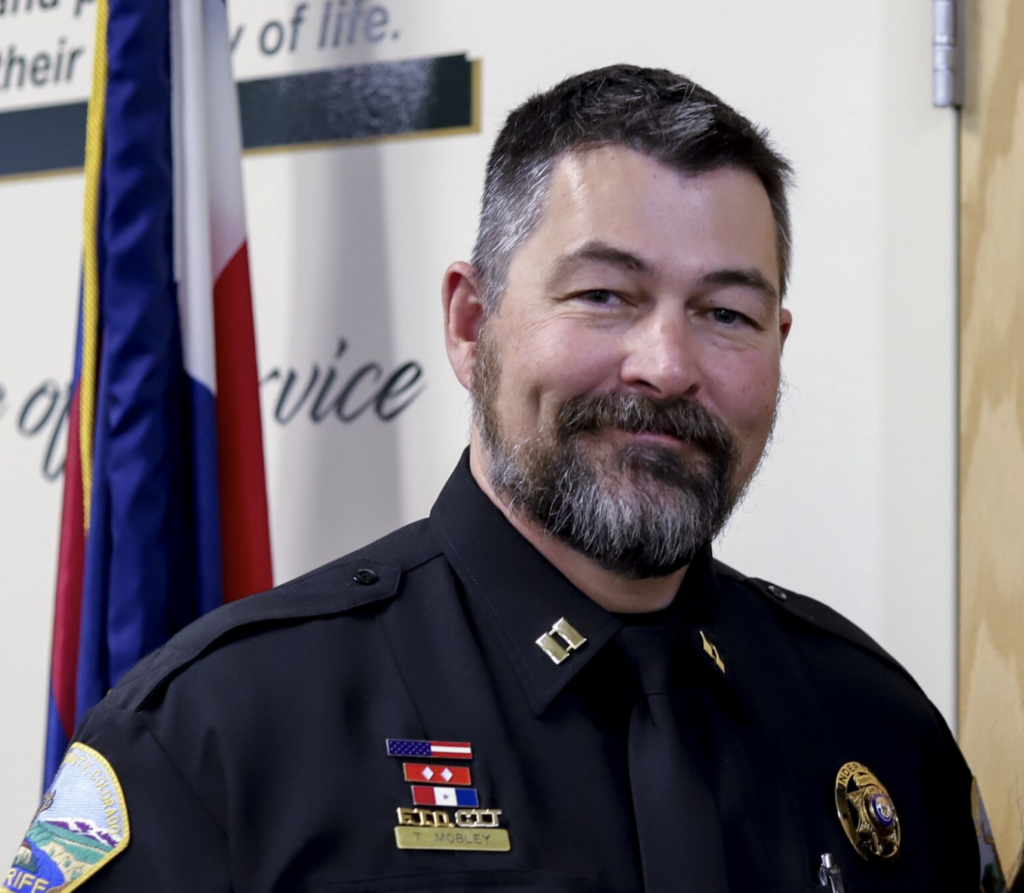
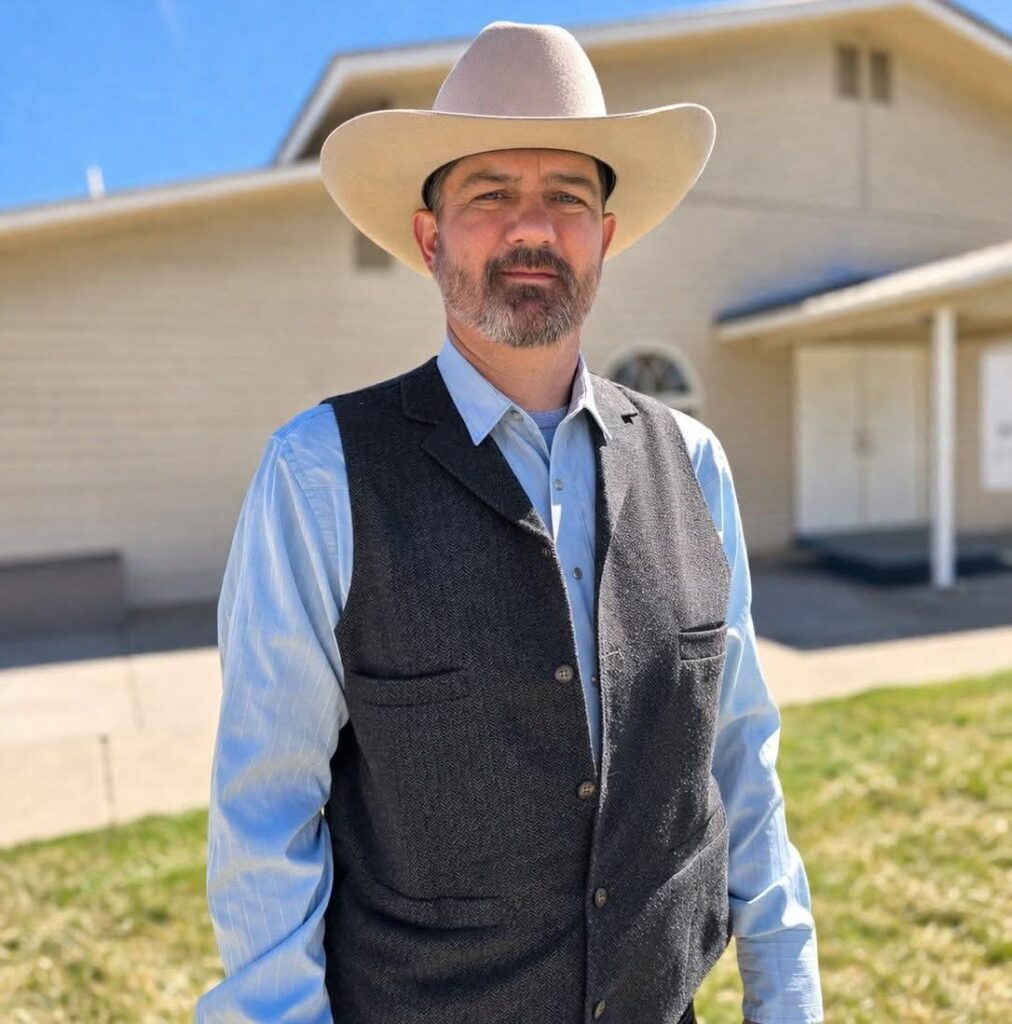
RBC |  There will be two names on the Republican primary ballot for the office of Rio Blanco County Sheriff, Jim Amick and Travis Mobley. Both candidates responded to a list of questions posed by the HT for the following Q&A. 
Q: What prompted you to run for Rio Blanco County sheriff, and what experience or qualifications best prepare you for the role?

Amick: I was 14 years old and just learning to train my first horse. Back then, retired Sheriff Bob Kracht had a ranch up the road and would often stop to visit when he saw me working with that colt. I don’t necessarily remember what we talked about, but those conversations left a lasting impression. It was through getting to know Bob that my interest in law enforcement was born, and it was then that I knew I wanted to be sheriff one day.

For most of my 23 years as a law enforcement officer in this county, I have been entrusted with training and mentoring the next generation of officers and deputies through my roles as Firearms Instructor, Less-Lethal Instructor, and Field Training Officer. I understand the importance of keeping our agencies staffed with qualified, well-trained people, and I understand our community, our values, and the unique challenges we face. Because of that, many members of the community have recently brought me their concerns about the future of law enforcement in Rio Blanco County, and it was that trust that prompted me to run for sheriff now. My experience has taught me that the best solutions come from working together with the people we serve, and that is the approach I will bring as sheriff.

Mobley: It has always been a life goal of mine to run for Sheriff. There have been several times in the past where I have thought about running and had people ask me to run. It hasn’t been the right time before now. I have worked my way up in the Sheriff’s Office and have had experience in most positions. I have supervised employees since 2009 and have been the Undersheriff for the last four years. During my time as Undersheriff, when the Sheriff has been out of town I have filled in as interim Sheriff.

Q: If elected, what would be your top three priorities during your first year in office, and why?

Amick: My first priority would be to take a serious look at what it would require to reopen the jail. I understand that may be an uphill battle, but the financial cost has to be weighed against the practical cost of not having one. If we are saving money, we need to ask what we are losing in return. While transports to Moffat County may be down, criminal charges are not. Too often, offenders are released with a summons because transporting them would leave our communities without coverage for hours.

My second priority would be improving consistent coverage throughout Rio Blanco County, with deputies available on both ends of the county.

Third, I would reemphasize traffic safety on Highways 13, 64, and 139. Traffic on those roads is one of the biggest hazards and complaints I hear from the public, and a stronger law enforcement presence can help make them safer for everyone.

Mobley: My top three priorities as sheriff would be as follows: 1. First and foremost, my top priority will always be protecting the citizens of Rio Blanco County and their livelihood.  2. I would run the Sheriff’s Office with integrity, hard work and strong morals. 3. Lastly, I would maintain and strengthen our relationships with the community and organizations within the community.

Q: How would you describe the role of the sheriff in a rural county like Rio Blanco County beyond traditional law enforcement duties? 

Amick: In a rural county, the sheriff’s role goes far beyond traditional law enforcement. The sheriff has to be a problem solver, mediator, administrator, and partner to the community. Many issues in a small county can be resolved through communication and common sense before they become criminal matters, and I believe the sheriff should be accessible and willing to help work through those problems.

The sheriff also has to be prepared for the realities of rural response. We do not always have immediate access to mental health, crisis intervention, or other outside resources, so deputies must be well-trained in handling mental health emergencies and crisis situations until additional help is available.

The sheriff is also responsible for managing personnel, budgets, equipment, training, morale, and coordinating with other agencies during wildland fires, floods, mudslides, search and rescue incidents, and other emergencies.

Mobley: The sheriff takes on several roles in the county beyond law enforcement. The Sheriff is the Fire Warden of the county. He is also in charge of Search and Rescue in the county. In a rural county like ours, he has to be able to complete those jobs with the limited resources available. He also is available to the people of the county at all times on a one on one basis.

Q: Recruitment and retention are ongoing challenges for many agencies. How would you attract, train and retain quality deputies and staff? 

Amick: Finding the right people starts with being honest about the job and the community. Rural law enforcement is not the same as working in a larger city, and we need deputies and staff who understand that, want to be here, and are committed to being part of both the department and the community.

I would also look for opportunities to recruit into civilian positions, such as dispatch or detention if the jail is reopened, and then invest in employees who want to move into sworn law enforcement by helping them obtain POST certification.

Keeping good people requires more than hiring them. It requires strong leadership, good training, teamwork, high morale, and giving employees the tools they need to succeed. When people feel supported, respected, and part of a solid team, they are much more likely to stay.

Mobley: Recruitment in the Sheriff’s Office starts with having a department that has great morale, great training and the ability for most of the deputies to be instructors in different areas of expertise. The sheriff’s office, I believe, excels in these three areas. As far as retention, the sheriff’s office does a stellar job at keeping wages at a competitive level, offers great benefits and offers the chance to work in a beautiful county, both up and down the river.

Q: How would you balance enforcing the law with maintaining positive relationships and trust within small communities where deputies often personally know the people they serve?  

Amick: Trust is built through consistency, fairness, and respect. In Rio Blanco County, that means remembering that the person in front of you is not just a call number or a case. They are a real person, and often someone’s friend, neighbor, coworker, or family member.

Law enforcement still has a duty to enforce the law, but we also have to remember that most people we deal with are experiencing one of the worst moments of their day, and sometimes one of the worst moments of their life.

People should be treated with respect and compassion, even when enforcement action is necessary and even when they are not at their best. Being firm and being respectful are not opposites. In a county like ours, both are necessary to maintain trust. Those are skills I believe are essential for every member of law enforcement.

Mobley: My philosophy is and always has been that we treat people with dignity and respect even if they have committed a crime. If you do that in a small community like ours,  most of those same people will respect us and know that we are doing our job the best we can. Most of the time we are dealing with people on their very worst days and we keep that in mind. We work to hard balance community safety and the rights of people we come in contact with.

Q: Mental health and substance abuse issues frequently intersect with law enforcement. What role should the sheriff’s office play in addressing these challenges?

Amick: Mental health and substance abuse issues are realities law enforcement deals with on a regular basis. Ideally, mental health crises would be handled primarily by trained mental health professionals, but in rural communities those resources are often limited, overextended, or a long distance away. Because of that, deputies are frequently the first people called to respond.

Ongoing Crisis Intervention Training is vital for law enforcement personnel. Deputies need the tools to communicate, de-escalate, and respond safely during mental health and substance-related crises, but they also need opportunities to practice and refresh that training in order to maintain proficiency.

The sheriff’s office also has a responsibility to be proactive in keeping illegal narcotics out of our community while working with available treatment and crisis resources whenever possible. I would also explore implementing a co-responder program so trained crisis responders could assist deputies on appropriate calls.

Mobley: Currently we have an amazing co-responder program. This means we have someone we can call 24/7 when someone is in crisis. I want to continue building this program and work more closely with the hospitals in our area to get the resources to the people that need them the most.

Q: Wildfires, severe weather and other emergencies have become major public safety concerns in Western Colorado. How would you approach emergency preparedness and coordination with local agencies?

Amick: Emergency preparedness starts long before an emergency happens. The Lee Fire showed how quickly conditions can change and how important it is for local agencies to have strong working relationships and clear plans in place.

As sheriff, I would work with the county emergency manager, fire departments, EMS, Search and Rescue, local law enforcement, county officials, and other appropriate agencies to make sure emergency plans are regularly reviewed, updated, and practiced together before emergencies occur. In these situations, I believe the sheriff’s role is to coordinate the law enforcement response where appropriate, including evacuations, road closures, public safety, and communication. Clear roles, good communication, and practiced coordination are essential to an effective emergency response.

Mobley: I think we have taken a huge step by hiring our current EM and I look forward to working with him on future projects and events. We learned last summer what we did well and what we can do better in the future. We were very fortunate to have so many local organizations step up and help in a severe time of crisis. My goal is to strengthen those relationships for future crises, may they be big or small.

Q: The sheriff’s office operates with taxpayer dollars and significant public responsibility. How would you ensure transparency and accountability within the department?

Amick: Transparency starts with being honest and available to the people we serve. The sheriff’s office operates on taxpayer dollars, and the public has a right to understand how those dollars are being used. Law enforcement equipment, training, vehicles, and safety gear can be expensive, but those expenses should be justified, necessary, and clearly explained.

As sheriff, I would be forthcoming about the budget and willing to answer questions about expenditures, priorities, and department needs. I also believe accountability starts at the top. Deputies and staff should be held to clear professional standards, and the sheriff should be willing to address concerns directly and fairly.

The people of Rio Blanco County deserve a sheriff’s office that is responsible with public funds, honest with the community, and accountable for the trust placed in it.

Mobley: The Sheriff’s Office currently has a good program for checks and balances. I believe we are very transparent on what we spend our money on. The Sheriff is always available to answer questions on where the money goes and can account for where it is spent. We have a fantastic community that has donated to the Sheriffs Office throughout the years and that money is always appreciated and spent extremely wisely. For example, the money donated a couple of years ago by a family in the community was used to partially finance the co-responder program I mentioned earlier. Things such as these help our office put less burden on the taxpayers and also bring great satisfaction and reward to our county. We have taken advantage of a variety of grant opportunities throughout the years and are always seeking new grant funding to support training, equipment, and other resources that enhance our ability to serve the citizens of Rio Blanco County. By pursuing these opportunities, we can improve services while minimizing the financial burden on local taxpayers. 

Q: Rio Blanco County includes large areas of public land, energy development and agricultural operations. What do you see as the sheriff’s office’s role in issues involving land use, natural resources and public access?

Amick: The sheriff’s office has an important role in protecting property, preventing theft, and maintaining safety in areas where agriculture, energy development, recreation, and public access overlap. Deputies should proactively patrol key areas and work with ranchers, energy producers, landowners, and public land users to address problems before they escalate.

Agriculture, energy, grazing, hunting, recreation, and access to public lands are all important to Rio Blanco County. I believe public lands should remain available for lawful use, while also respecting private property rights, easements, and the safety and privacy of landowners.

The sheriff’s office should not be in the business of choosing one lawful use over another. Its role is to enforce the law fairly, protect people and property, and help reduce conflict through communication, presence, and common sense.

Mobley: The Sheriff’s Office will be working with our Federal partners to be able to access these resources to where future generations will be able to enjoy them as well. We will help ensure that people leave it in a better condition than when they arrived. This includes patrolling these areas on a regular basis and helping people understand how to take care of the land. We also need to keep in mind that energy companies are how this county thrives so keeping strong relationships/partnerships and an open line of communication is vital.

Q: What distinguishes you from your opponent, and why should voters choose you to serve as Rio Blanco County sheriff?

Amick: I believe what sets me apart is my experience and the way I have earned it. I have spent 23 years in law enforcement in Rio Blanco County, including 18 years with the Meeker Police Department and five years with the Rio Blanco County Sheriff’s Office. Much of that time has been spent on the road, working directly with the public, responding to calls, and handling the day-to-day work that keeps a community safe. I also hold a bachelor’s degree in Criminal Justice, which I completed through Bethel University.

I have never viewed law enforcement as just a job. To me, it is a calling and a way to serve this community. I am not running to be a politician. I am running to be a working sheriff: present, proactive, fair, and committed to protecting the people, property, and rights of Rio Blanco County.

I believe there is always a need to evaluate and improve the direction of law enforcement, but I do not believe in change just for change’s sake. I will not make promises I do not believe I can keep. My priority will be public safety, consistent countywide coverage, and leadership rooted in service.

Mobley: First and foremost I believe a Sheriff should have three main qualities. These are outstanding integrity, a strong work ethic and an unwavering moral compass. I believe I possess all three of these qualities and I think my record shows this to be abundantly true. I also have extensive experience in supervisor and leadership roles. I have diligently worked my way through the ranks of the Sheriff’s Office over the last three decades of my career and wholeheartedly believe I am the best choice for Rio Blanco County’s next Sheriff.

Q: What is one issue or concern you’ve heard repeatedly from Rio Blanco County residents during your campaign, and what would you do about it?

Amick: There are two concerns that I hear repeatedly with equal frequency: the jail and traffic safety. The jail is not just a budget issue to people. Many residents want to know why taxpayers built a new facility only to see it closed a few years later, but they are also concerned about what the closure has meant for public safety, officer availability, and accountability.

I have been clear that I would make a serious effort to look at reopening the jail, but I will not pretend that decision belongs to the sheriff alone. It would require honest discussion with the county commissioners and the residents of Rio Blanco County about cost, staffing, and the practical impact of continuing without a local jail.

Traffic safety can be addressed much more directly through visible patrol, traffic enforcement where needed, and deputies being present on our highways and county roads to help prevent dangerous driving before it causes harm.

Mobley: In talking to constituents in the county during my door to door interactions over the last few months, I have heard very little issues or concerns raised with the Sheriff’s Office. I would say the majority of people are happy with the service of the Sheriff’s Office. In saying that, I know there is always room for improvement and I have always left these conversations open with the offer to listen to them and their concerns at any time. I want to be a Sheriff for every person in this county and know that every voice is important and has the right to be heard.

Leave a Comment